How is the corona virus destroying the economies of developing countries?
How is the corona virus destroying the economies of developing countries?
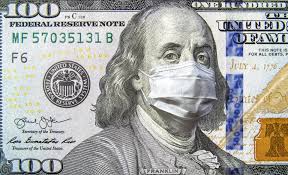
The world is witnessing a sharp decline in economic performance due to the corona virus epidemic.
Developing countries will certainly be hit hard by the recession, which the International Monetary Fund has described as the biggest economic crisis since the Great Depression of the 1930s.
Almost every country in the world has been affected. The IMF fears that 170 countries, rich and poor, will face a decline in per capita economic activity this year. This means that the average standard of living will decline.
The epidemic is affecting developing countries in many ways.
Raw material prices
Many countries export goods used by industries. Demand for this specialty has grown significantly as a result of recent corporate scandals, with prices falling and, in some cases, falling sharply.

Oil is the greatest example of this. Demand for this specialty has dropped significantly as the Corona virus lockdown has reduced the demand for fuel for transportation. More than 90% of this fuel is made from crude oil.
The situation is exacerbated by the ongoing price war between Russia and Saudi Arabia, the two largest oil exporters. An extraordinary situation has also arisen in which oil prices have fallen from zero.
This is not a general feature of the oil market, but it does indicate a strong imbalance between supply and demand.
The prices of a few other items have also dropped sharply, even though they were not as high as oil. Copper, for example, has fallen 18 percent since mid-January, while zinc has fallen 20 percent.
The fall in prices is affecting businesses and the revenues of governments that export these goods.
International investment
Developing countries also face the problem of money being withdrawn by foreign investors. Geeta Gopinath, the IMF's chief economist, says the risk-taking spirit among international investors has waned.
This means that they are selling an investment that is relatively risky for them. This includes bonds and shares in emerging markets. Instead, they invest in relatively safe countries such as the United States, Europe and Japan. She says this has resulted in "unprecedented flows of wealth in opposite directions".

The South African rand is one of the world's currencies whose value has fallen due to the corona virus
In a blog published by Brussels-based think tank Brugel, Merrick Dombrowski and Marta Dominguez Jimenez cite a number of financial indicators that measure the stress on emerging economies.
He highlights how the gap in bond yields (which reflects the value of borrowing in financial markets) has widened in the United States and other developing countries. It is often a sign that investors believe that the risk is high for borrowers, including governments, and that they may go bankrupt because of their debt.
Another sign of this is the high cost of insurance against bankruptcy. This is followed by a sharp decline in the value of the currencies of many countries. It is also an indication that investors are trying to extract their wealth.
Foreign loans
This raises another problem and that is foreign debt. A devaluation of a country's currency makes it more expensive for it to repay loans or pay interest on them in other currencies.
At a time when governments in developing countries are under pressure to deal with the medical crisis and its economic effects, debt repayment can be a serious burden on lesser resources than ever before.

Therefore, a faster campaign is underway to solve the debt problems of developing countries.
The IMF and the world's leading economies have taken steps to reduce this burden, including easing interest rates on loans and repaying them over the next few months.
The IMF has agreed to meet the obligations owed to 25 countries (mostly African countries) for the next six months through a trust fund donated by member countries. That includes برط 185 million (کروڑ 150 million) from the UK. So, in fact, these payments have now been canceled.
The G20 countries have agreed to defer rather than cancel the expected debt repayments from 77 countries that were due in May. They can now be paid by the end of the year.
This means that instead of making payments, the money can be used to deal with the crisis in the coming months. But they will still have to pay back in the coming months.
Therefore, those campaigning for debt relief in developing countries believe that the G20 and others need to do more.
It can be difficult for those working in the informal sector to distance themselves from society or stay at home
The Jubilee Debate Campaign, for example, has called the G20 move a first step, but has called for the debt to be canceled altogether.
He also pointed out that the G20 agreement does not cover private lenders. The G20 has urged only those creditors to default on loans to the poorest countries.
The Jubilee Debate Campaign wants rich countries to make changes to the law that prevent private lenders from taking legal action against defaulting countries. This is especially true of New York and the United Kingdom, whose laws form the basis of most loans to developing countries.
Informal work
Dealing with medical problems in densely populated areas of developing countries can also pose a number of specific problems. Social distance can be especially difficult in these places.

Similarly, it can be difficult for those working in the so-called informal economy to stay at home.
Oksana runs an organization called Abouda StreetNet International, which claims to represent carts and stonemasons around the world. He recently spoke on the BBC's Business Daily radio program about what his organization represents.
"We have to make this terrible choice, either by putting ourselves at risk of [infection] and continuing our informal employment, or by leaving our families at risk of starvation."
"It's a reality for billions of people around the world, unofficially in developing countries," she says.
Remittances
Developing countries are also likely to face a shortage of money to send migrants home. Remittances are often sent from rich countries to poor countries and can be an important support for a family's standard of living.

A new World Bank report warns that the epidemic could reduce them by up to 20 percent. Immigrants in particular are at risk of losing their jobs and income, according to the bank.
According to the bank, remittances can help people eat better, spend more on education, and reduce child labor.
The world is witnessing a sharp decline in economic performance due to the corona virus epidemic.
Developing countries will certainly be hit hard by the recession, which the International Monetary Fund has described as the biggest economic crisis since the Great Depression of the 1930s.
Almost every country in the world has been affected. The IMF fears that 170 countries, rich and poor, will face a decline in per capita economic activity this year. This means that the average standard of living will decline.
The epidemic is affecting developing countries in many ways.
Raw material prices
Many countries export goods used by industries. Demand for this specialty has grown significantly as a result of recent corporate scandals, with prices falling and, in some cases, falling sharply.
Oil is the greatest example of this. Demand for this specialty has dropped significantly as the Corona virus lockdown has reduced the demand for fuel for transportation. More than 90% of this fuel is made from crude oil.
The situation is exacerbated by the ongoing price war between Russia and Saudi Arabia, the two largest oil exporters. An extraordinary situation has also arisen in which oil prices have fallen from zero.
This is not a general feature of the oil market, but it does indicate a strong imbalance between supply and demand.
The prices of a few other items have also dropped sharply, even though they were not as high as oil. Copper, for example, has fallen 18 percent since mid-January, while zinc has fallen 20 percent.
The fall in prices is affecting businesses and the revenues of governments that export these goods.
International investment
Developing countries also face the problem of money being withdrawn by foreign investors. Geeta Gopinath, the IMF's chief economist, says the risk-taking spirit among international investors has waned.
This means that they are selling an investment that is relatively risky for them. This includes bonds and shares in emerging markets. Instead, they invest in relatively safe countries such as the United States, Europe and Japan. She says this has resulted in "unprecedented flows of wealth in opposite directions".
The South African rand is one of the world's currencies whose value has fallen due to the corona virus
In a blog published by Brussels-based think tank Brugel, Merrick Dombrowski and Marta Dominguez Jimenez cite a number of financial indicators that measure the stress on emerging economies.
He highlights how the gap in bond yields (which reflects the value of borrowing in financial markets) has widened in the United States and other developing countries. It is often a sign that investors believe that the risk is high for borrowers, including governments, and that they may go bankrupt because of their debt.
Another sign of this is the high cost of insurance against bankruptcy. This is followed by a sharp decline in the value of the currencies of many countries. It is also an indication that investors are trying to extract their wealth.
Foreign loans
This raises another problem and that is foreign debt. A devaluation of a country's currency makes it more expensive for it to repay loans or pay interest on them in other currencies.
At a time when governments in developing countries are under pressure to deal with the medical crisis and its economic effects, debt repayment can be a serious burden on lesser resources than ever before.
Therefore, a faster campaign is underway to solve the debt problems of developing countries.
The IMF and the world's leading economies have taken steps to reduce this burden, including easing interest rates on loans and repaying them over the next few months.
The IMF has agreed to meet the obligations owed to 25 countries (mostly African countries) for the next six months through a trust fund donated by member countries. That includes برط 185 million (کروڑ 150 million) from the UK. So, in fact, these payments have now been canceled.
The G20 countries have agreed to defer rather than cancel the expected debt repayments from 77 countries that were due in May. They can now be paid by the end of the year.
This means that instead of making payments, the money can be used to deal with the crisis in the coming months. But they will still have to pay back in the coming months.
Therefore, those campaigning for debt relief in developing countries believe that the G20 and others need to do more.
It can be difficult for those working in the informal sector to distance themselves from society or stay at home
The Jubilee Debate Campaign, for example, has called the G20 move a first step, but has called for the debt to be canceled altogether.
He also pointed out that the G20 agreement does not cover private lenders. The G20 has urged only those creditors to default on loans to the poorest countries.
The Jubilee Debate Campaign wants rich countries to make changes to the law that prevent private lenders from taking legal action against defaulting countries. This is especially true of New York and the United Kingdom, whose laws form the basis of most loans to developing countries.
Informal work
Dealing with medical problems in densely populated areas of developing countries can also pose a number of specific problems. Social distance can be especially difficult in these places.
Similarly, it can be difficult for those working in the so-called informal economy to stay at home.
Oksana runs an organization called Abouda StreetNet International, which claims to represent carts and stonemasons around the world. He recently spoke on the BBC's Business Daily radio program about what his organization represents.
"We have to make this terrible choice, either by putting ourselves at risk of [infection] and continuing our informal employment, or by leaving our families at risk of starvation."
"It's a reality for billions of people around the world, unofficially in developing countries," she says.
Remittances
Developing countries are also likely to face a shortage of money to send migrants home. Remittances are often sent from rich countries to poor countries and can be an important support for a family's standard of living.
A new World Bank report warns that the epidemic could reduce them by up to 20 percent. Immigrants in particular are at risk of losing their jobs and income, according to the bank.
According to the bank, remittances can help people eat better, spend more on education, and reduce child labor.


Comments
Post a Comment